
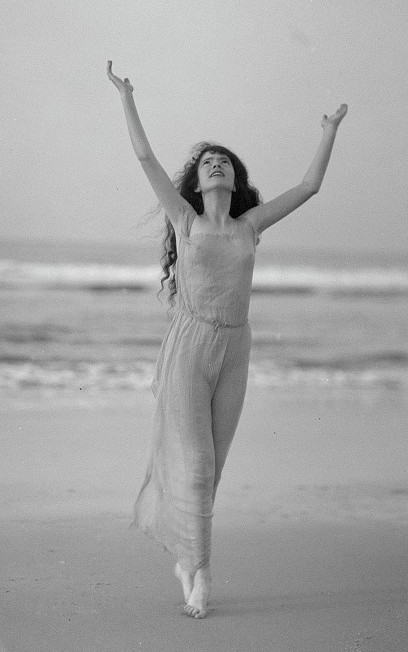
In a 1934 syndicated story about beauty and brains (“No Such Thing as ‘Beautiful but Dumb’”), photographer Arnold Genthe, then 65, was asked by the writer, freelancer Helen Welshimer, to describe beauty in a woman.
Genthe ticked off a series of mostly intangible attributes, reinforcing the old saying that “beauty is in the eye of the beholder.”
“To be beautiful a woman must have grace and rhythm,” Genthe said. “She must possess freedom of motion. Her face must hold spiritual charm. There must be magnetism — something must call from within.”
He offered examples.
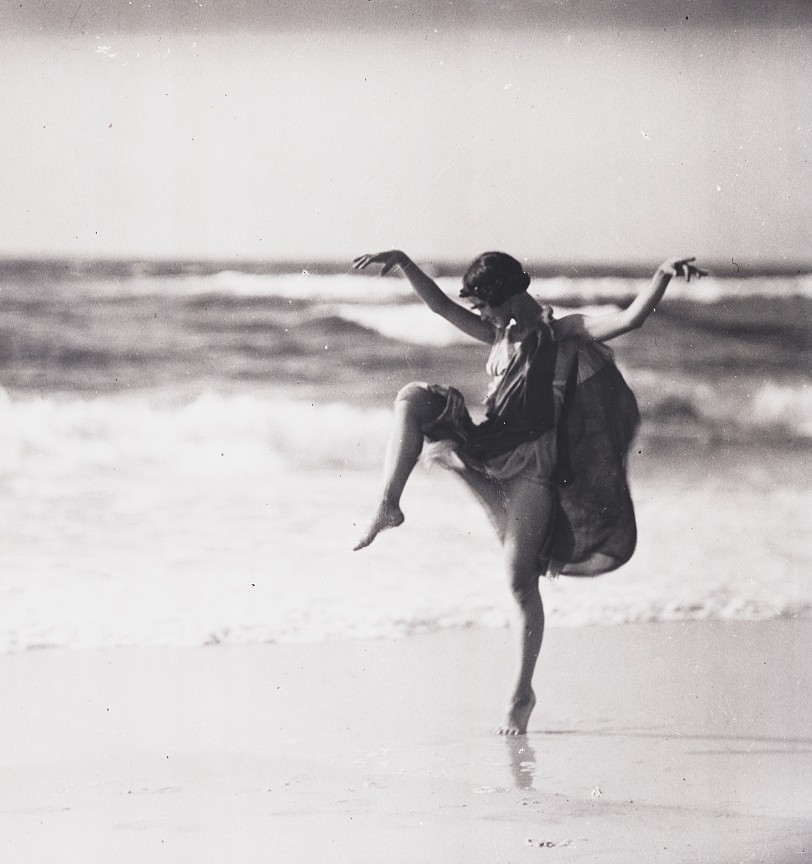
Marguerite Churchill, Genthe called “a particularly promising example of the younger actresses in the modern theater — the actresses who typify modern youth at its loveliest.” (Churchill was John Wayne’s first leading lady, co-starring in “The Big Trail” in 1930.)

Genthe also was keen on Anna Duncan, whose “freedom and physical grace … characterized her foster mother, the famous Isadora Duncan.”
The novelist Pearl Buck also was an exemplar of ideal beauty.
“Her face, he says, has the spiritual inward grace without which no woman can hope to be beautiful,” Welshimer wrote.
The Berlin-born Genthe was credited with taking the portraits that helped launch Greta Garbo’s career, though Wikipedia says he was best known for his photos of San Francisco’s Chinatown and the aftermath of the 1906 earthquake.
The most beautiful woman he ever photographed, he said, was the Italian actress Eleanora Duse, who sat for him when she was 67, according to his obituary in 1942.
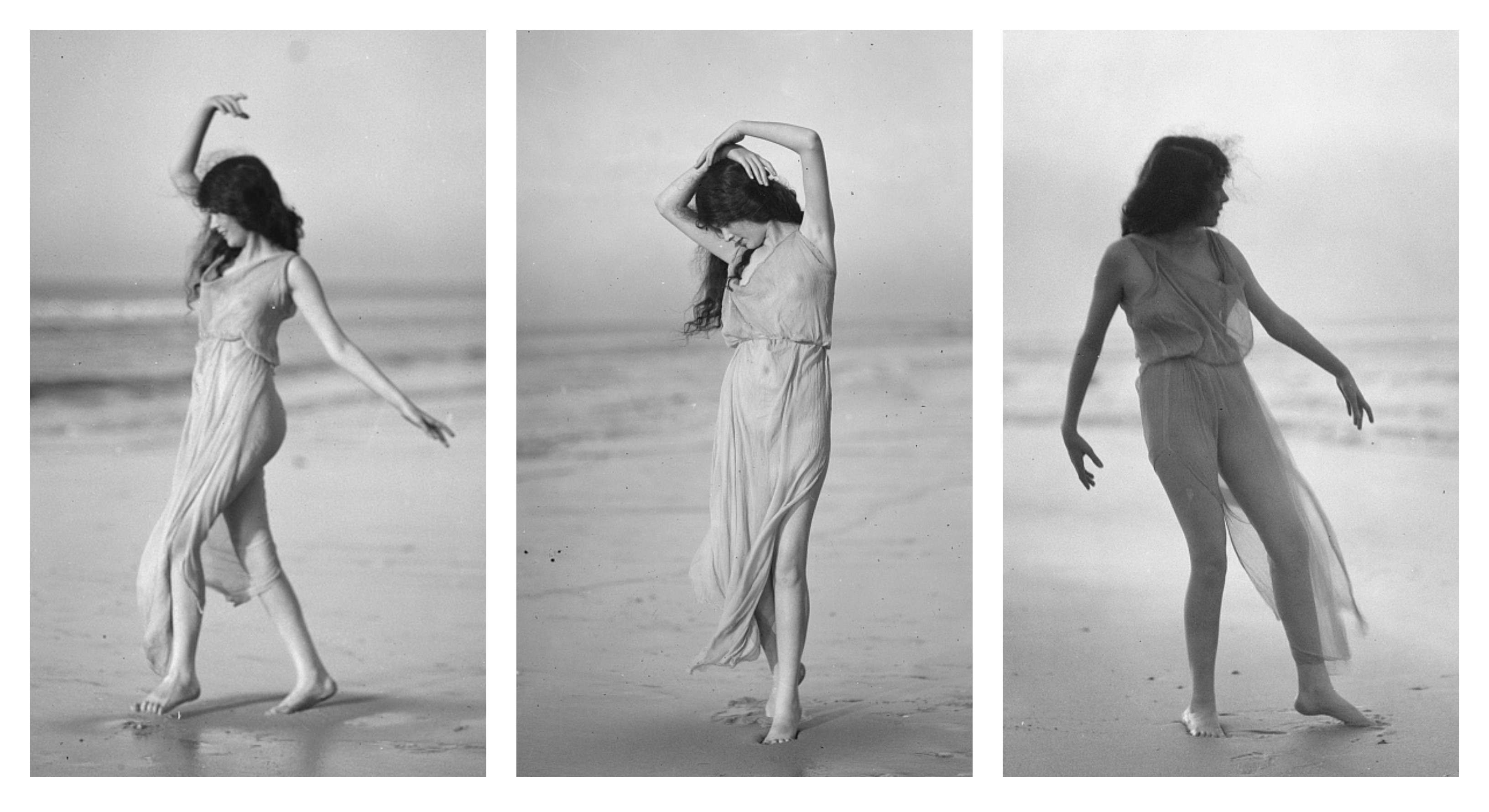
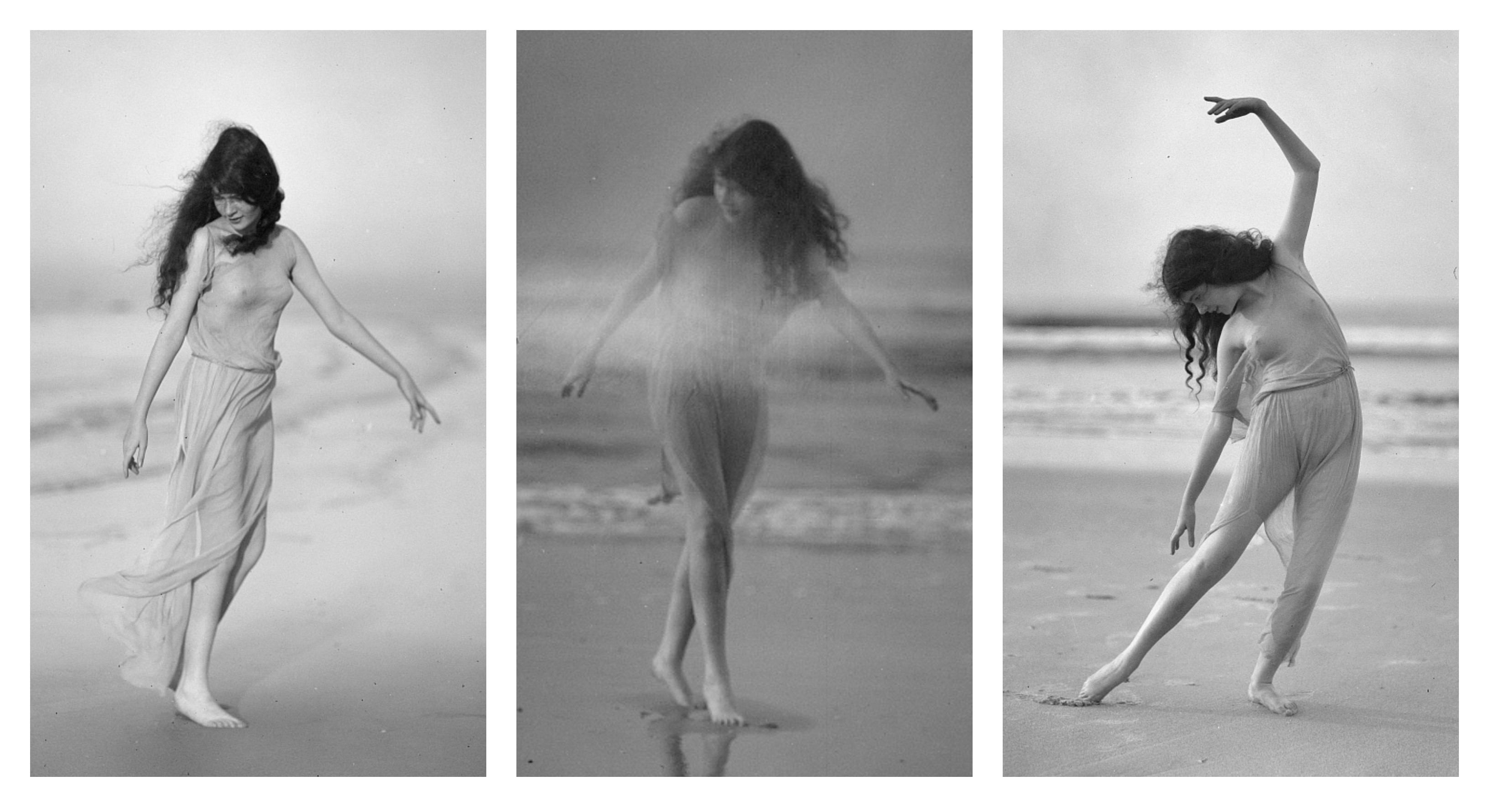
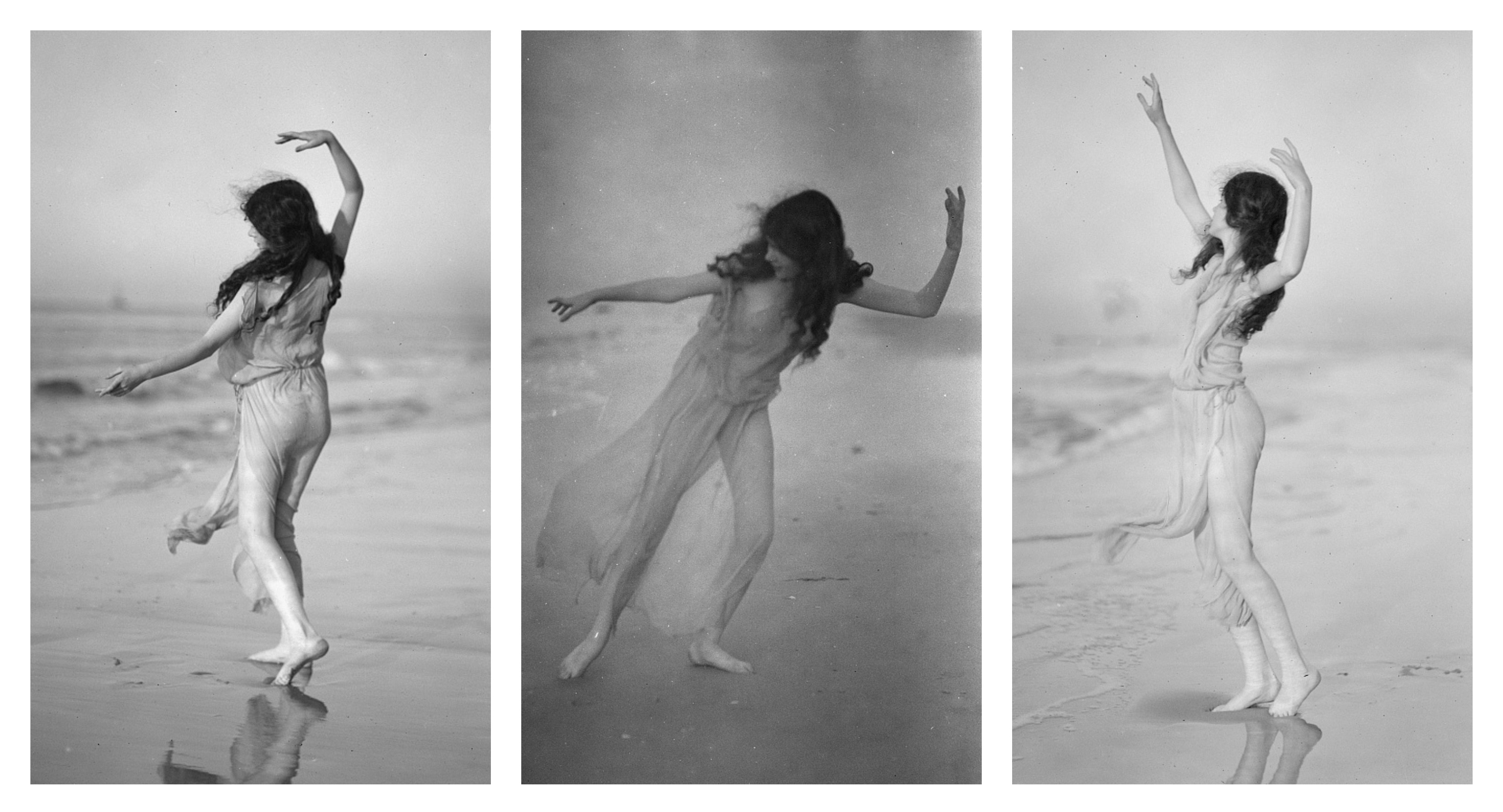
Many of Genthe’s photographs are available in the collections of the Library of Congress. They include these beach photos of young Marguerite, taken between 1923 and 1925:



 Roland Klose